
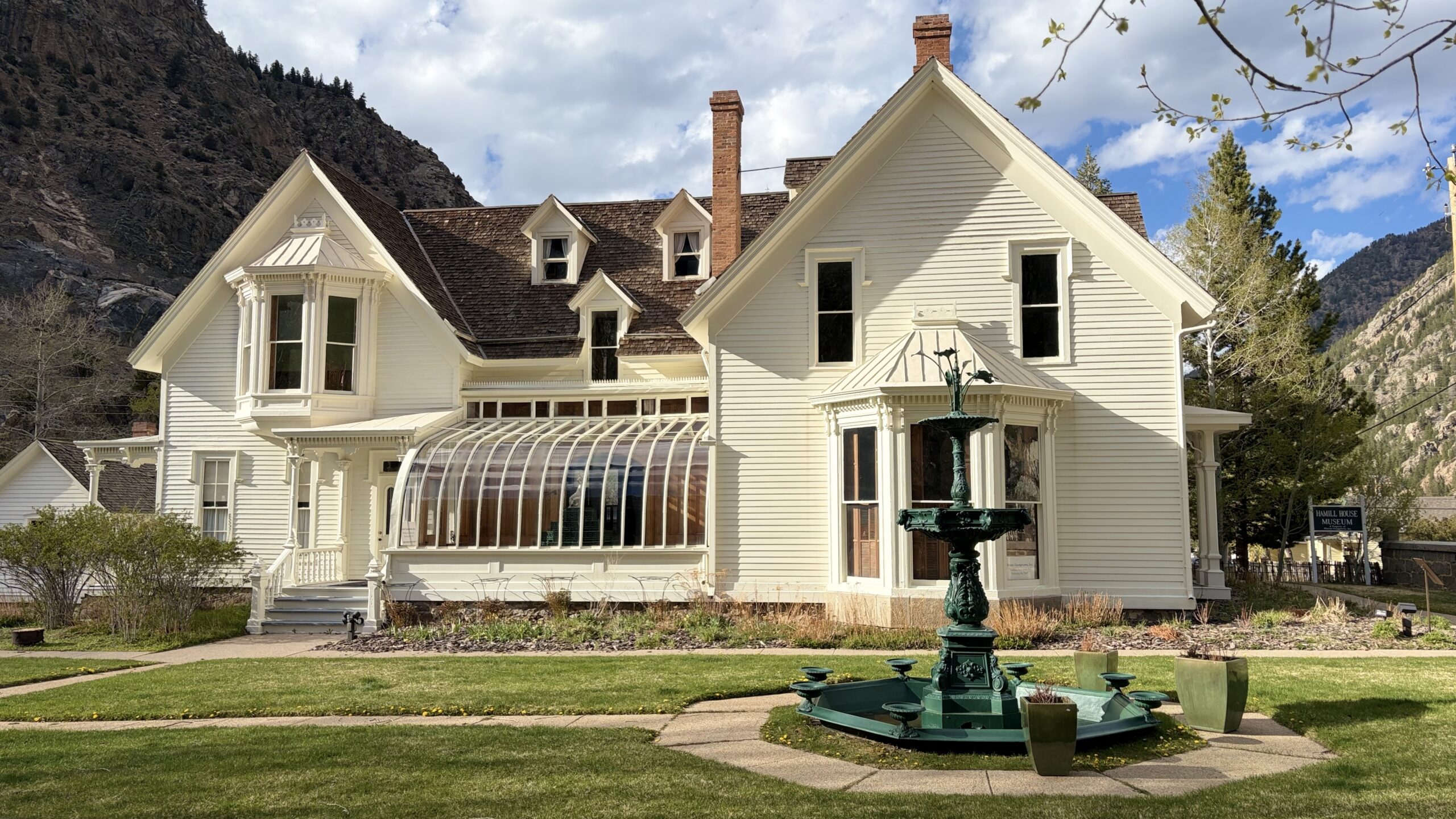
Hamill House The centerpiece of Historic Georgetown's collection, the Hamill House began in 1867 as a modest Country Gothic home built by Joseph Watson. His wealthy brother-in-law, silver investor William Arthur Hamill, purchased it and by 1879 had transformed it into a lavish mountain estate complete with a glass conservatory, gaslighting, bay windows, walnut woodwork, and central heating. The grounds still include Hamill's granite office building, a carriage house, a summer kitchen, and a remarkable six-seat privy. Today it operates as a museum interpreting Victorian residential life in the Colorado silver-mining era.
The Bowman-White House Completed in 1892, the Bowman-White House passed at the turn of the century to Bowman's daughter, Mellie, who lived here with her husband, attorney John J. White, and their four sons. Historic Georgetown later acquired the property directly from the Bowman-White family and has invested roughly $95,000 in its rehabilitation, including structural and mechanical work, wall-covering replication, and exterior restoration. The Bowman-White House is a private residence and is not currently open for public tours.
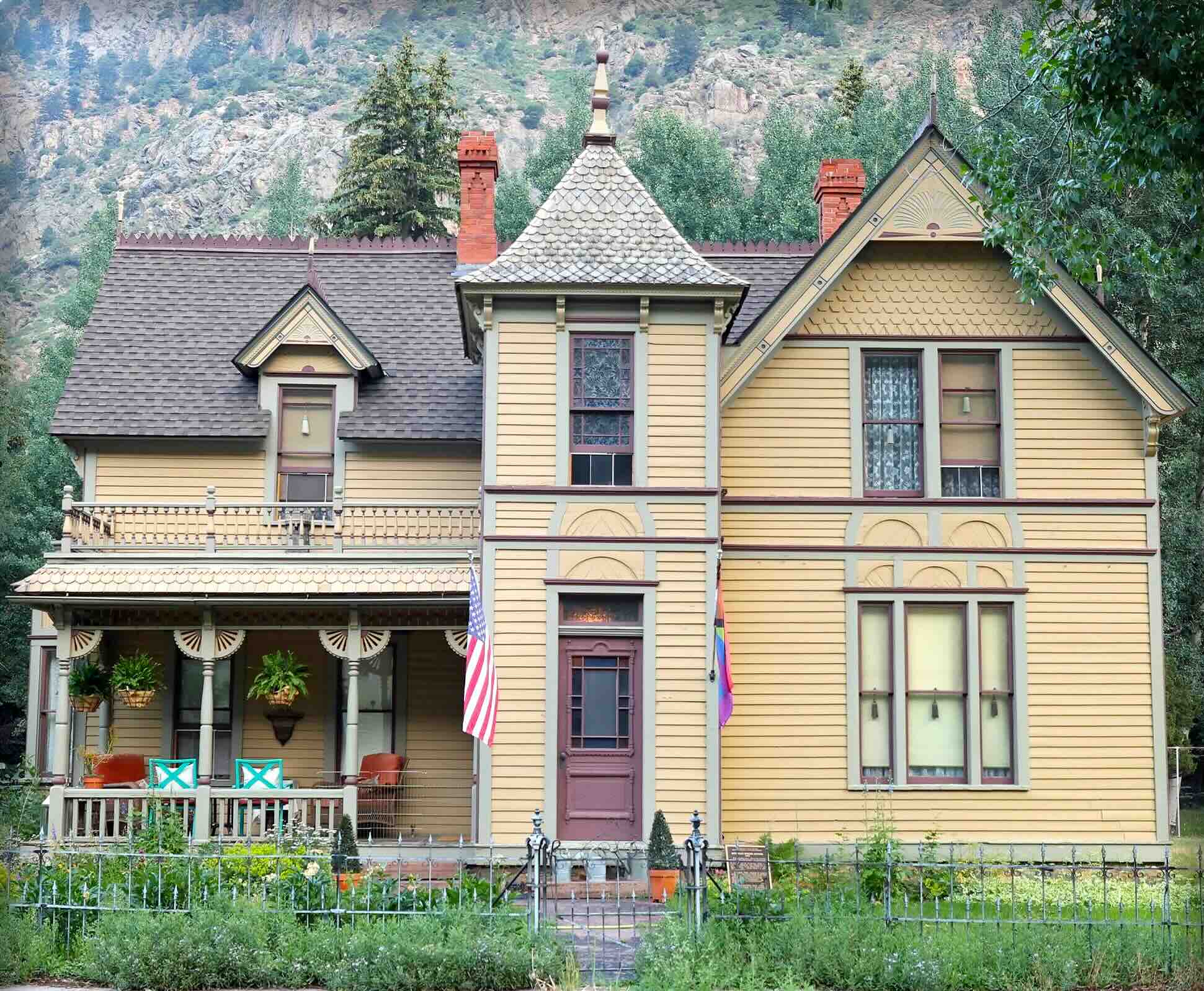
The Kneisel House Built around 1875 by local merchant Henry Kneisel, this house is typical of a comfortable Georgetown middle-class dwelling during the town's silver boom. Kneisel opened a bakery and later ran a grocery store in partnership with his son-in-law, Emil Anderson. The home remains in residential use today, mirroring its original purpose while preserving its historic character. The Kneisel House is a private residence and is not currently open for public tours.

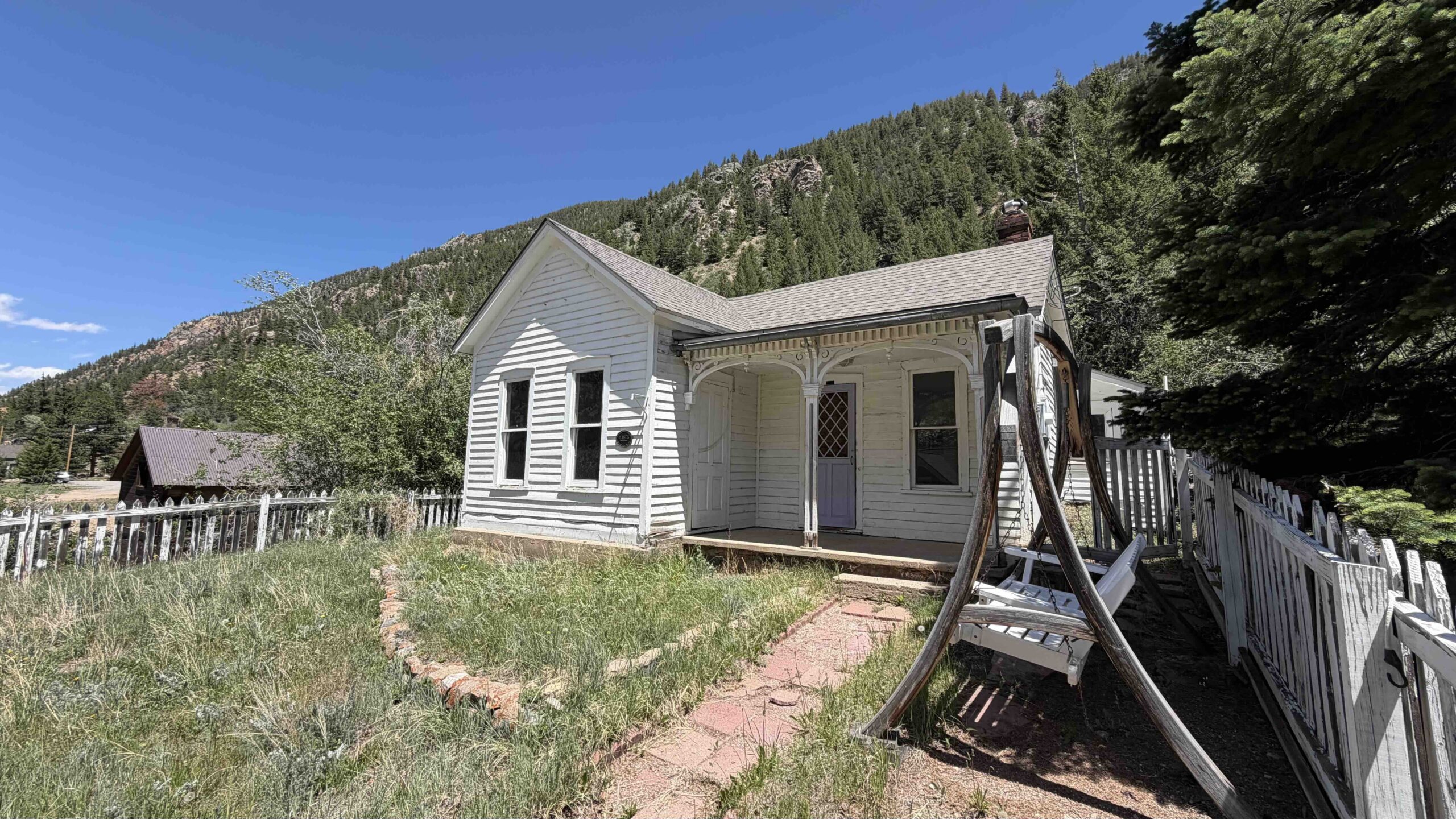
Tucker-Rutherford Cottage This humble miner's cottage, dating to the 1860s, is one of the few surviving examples of the small wood-frame homes that once filled the Clear Creek Valley. Albert and James Tucker, brothers who owned stores and rental properties around town, held the building through much of the late 19th century, likely as rental income. Modest in scale and typical of working miners' housing, the cottage was donated to Historic Georgetown in 1976. Its survival makes it a rare window into the everyday lives of Georgetown's laboring families.
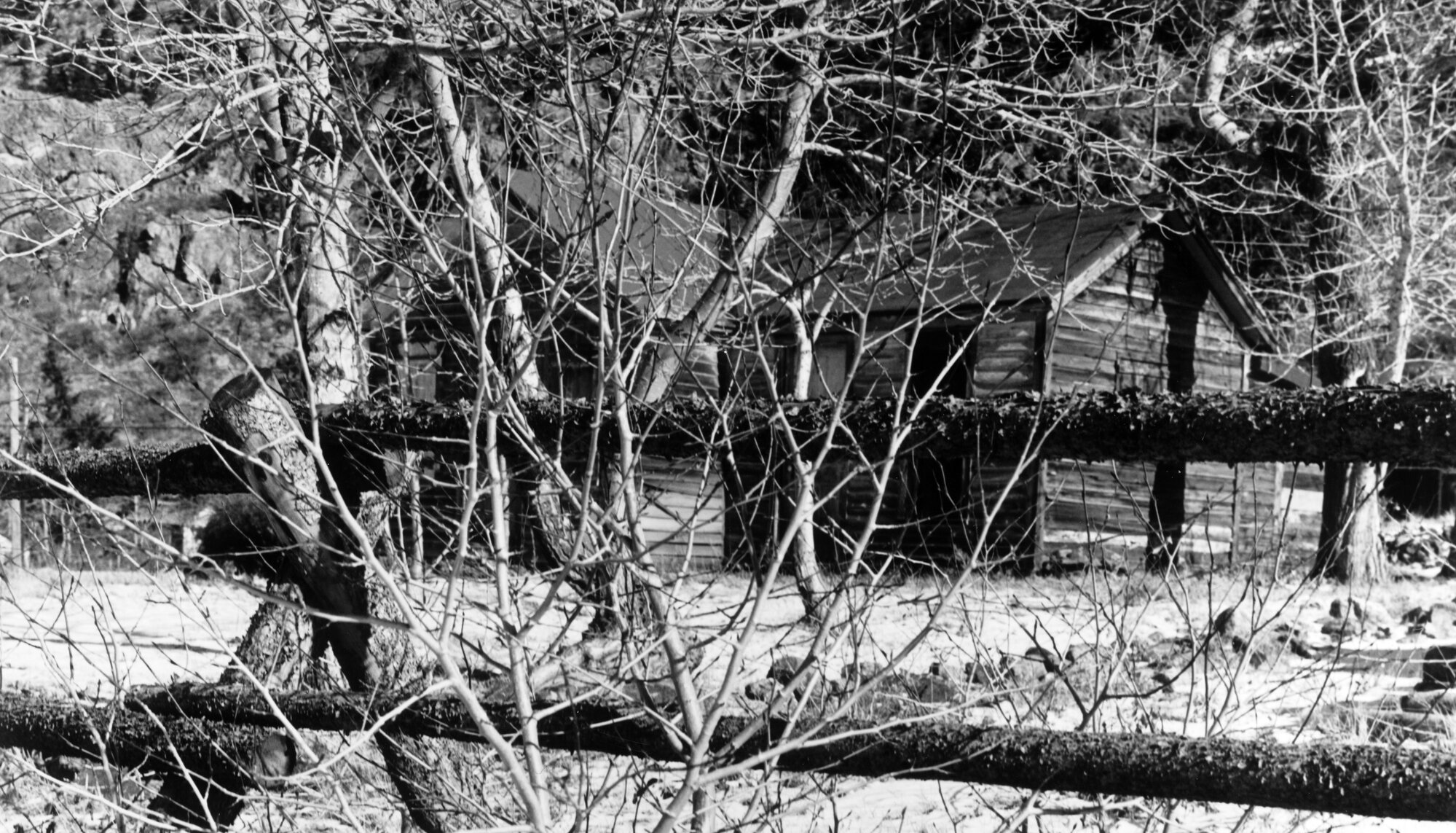
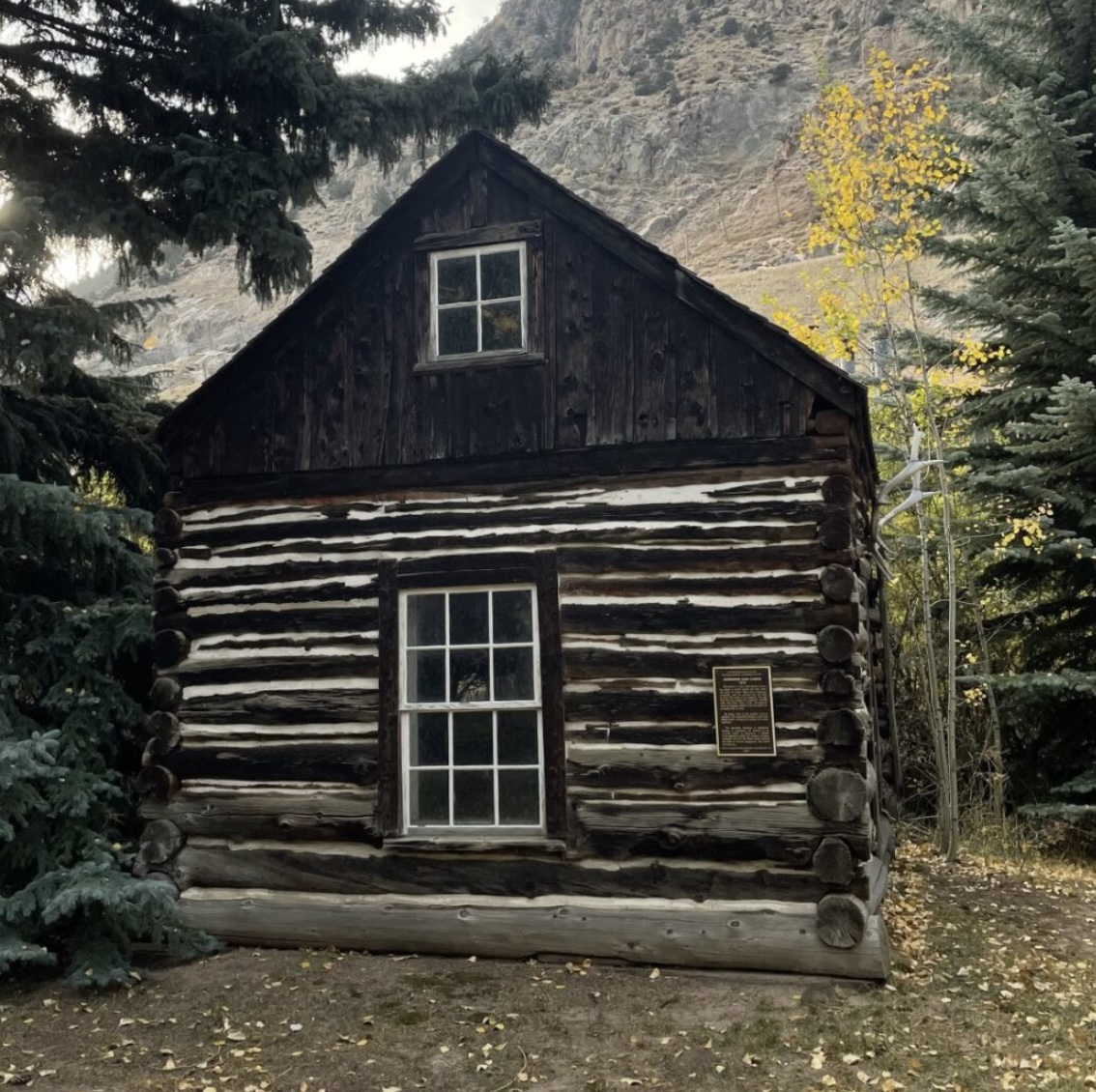
Johnson Log Cabin
The Johnson Log Cabin is one of Georgetown’s oldest surviving structures and offers a rare glimpse into life during the community’s earliest years. Built of hand-hewn logs during the mining era, the cabin reflects the simple, rugged conditions faced by Georgetown’s first settlers and stands as an important reminder of the town’s frontier beginnings. Today, Historic Georgetown, Inc. preserves the cabin as a tangible link to the people who helped shape Colorado’s mountain heritage.
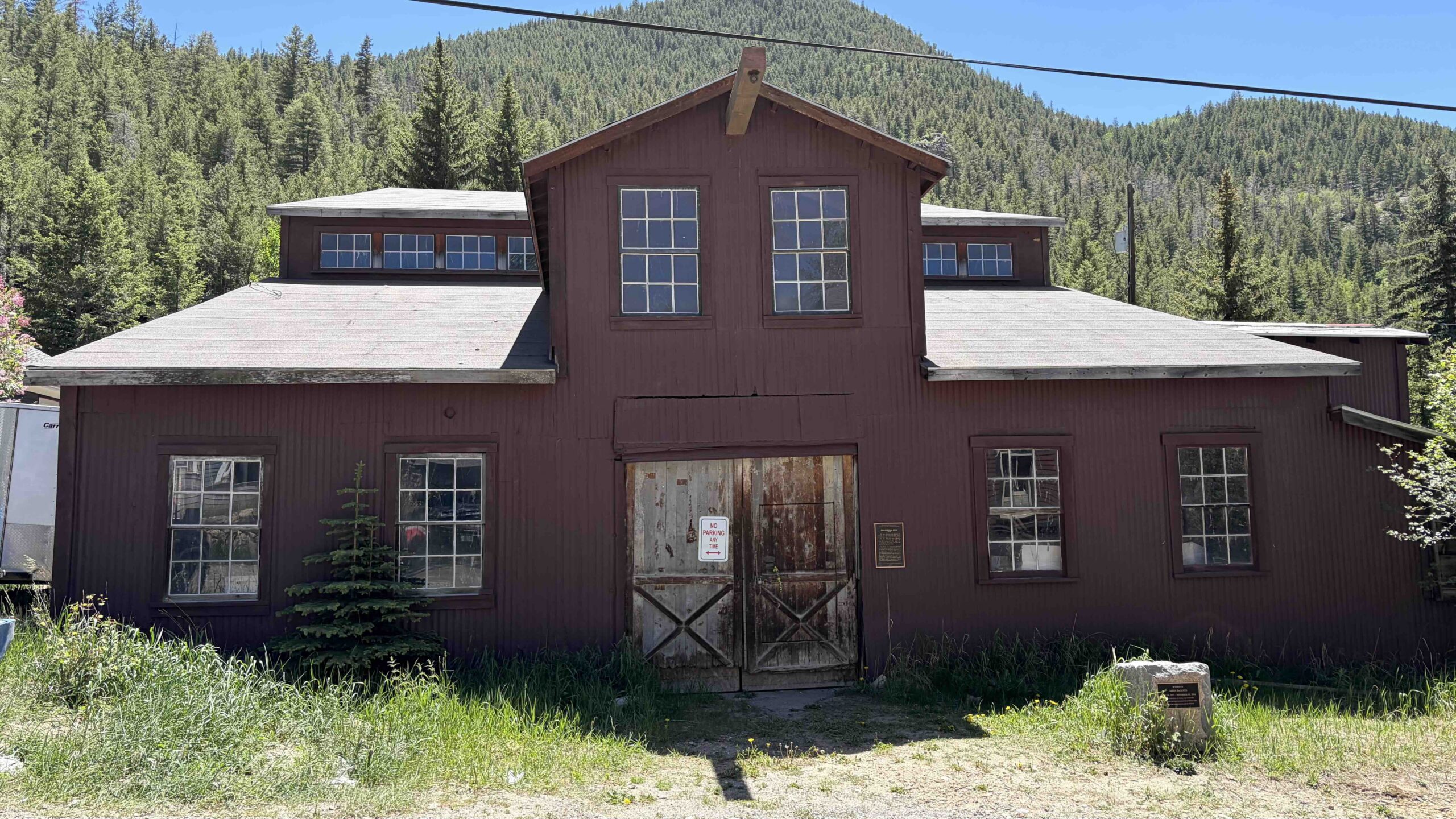
The Centennial Mill, located on 3rd Street below Guanella Pass Road, is the last surviving ore mill in Georgetown. Originally the Griffith Mill, it was disassembled and rebuilt at its present site in 1929 by the Western States Mining Company, positioned near the Colorado Central Railroad for efficient ore shipment to Denver smelters. The mill used flotation processing, patented by Carrie Everson in 1885 and considered state-of-the-art technology at the time. Historic Georgetown, Inc. acquired the mill in 2004 with support from private donors, the Colorado State Historical Fund, the 1772 Foundation, and the National Park Service. The mill is not currently open for tours.
Visit the Hamill House at 305 Argentine Street, Georgetown, CO.
Contact us at (303) 569‑2840 or email us at director@historicgeorgetown.org